Sometimes You Win Sometimes You Learn: A Font for Real-World Design
Every designer knows the moment. You're staring at a blank artboard, the client's brief in hand, and the one thing missing is a typeface that feels both personal and professional. It needs character without sacrificing clarity, personality without overwhelming the message. Finding that balance can feel like searching for a needle in a haystack, but occasionally, a font comes along that just clicks. It speaks the language of your project before you've even typed the first letter.
A Typeface with a Story
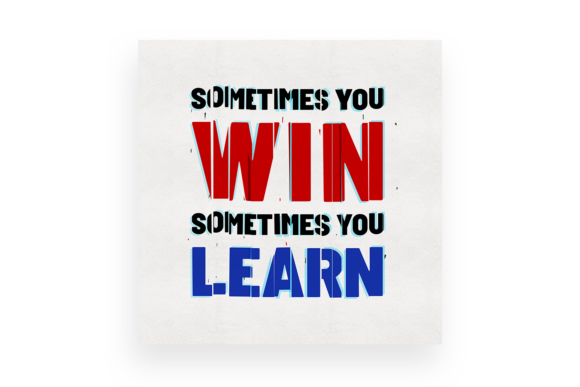
Sometimes You Win Sometimes You Learn is more than just a name; it's a philosophy baked into its letterforms. This premium display font carries a distinct modern serif aesthetic, blending classic elegance with contemporary flair. Its characters feature subtle contrasts in stroke weight and refined terminals, giving it a sophisticated yet approachable feel. It’s the kind of typeface that doesn’t just sit on a page—it contributes to the narrative, making it a powerful tool for anyone building a brand or crafting a visual identity.
The visual appeal lies in its versatility. It avoids the stark rigidity of a pure sans serif and the ornate complexity of a traditional script, landing in a sweet spot that feels both trustworthy and creative. This makes it exceptionally useful for projects that require a touch of warmth and authenticity, such as editorial design, packaging, or high-end social media graphics.
Where This Font Truly Shines: Practical Applications
The true test of any design asset is its utility. Let's break down where this typeface can become your secret weapon.
- Branding & Logo Design: A logo sets the first impression. The balanced, confident letterforms of this font create logos that are memorable and scalable. It works beautifully for boutique brands, consultancy firms, or lifestyle products where trust and quality are paramount. Pair it with a clean sans serif for body text to create a full, professional brand identity system.
- Packaging & Merchandise: On a shelf or in an online store, packaging needs to tell a story quickly. This font's character makes it ideal for product names, taglines, and descriptive copy on labels for artisan goods, cosmetics, or gourmet foods. Its readability at various sizes ensures your message is clear whether on a tiny jar or a large poster.
- Digital Presence: For websites and blogs, this font excels in headlines, pull quotes, and call-to-action buttons. It adds visual hierarchy and a professional polish that can improve audience engagement. On social media, it makes graphics stand out in a crowded feed, perfect for inspirational quotes, announcement cards, or branded templates.
- Print & Editorial: Think beyond digital. This typeface is stunning on wedding invitations, event programs, business cards, and magazine layouts. It brings a cohesive, curated look to any print material, elevating the perceived value of your content or service.
Beyond the Glyphs: Design Efficiency and Consistency
A great font is only as good as the workflow it supports. This is where the included features become critical for real-world projects. The Smart Object Replacement and Organised Layers within the provided PSD file aren't just technical specs—they're time-savers. They allow you to quickly mock up concepts, experiment with placements, and present polished visuals to clients or stakeholders without starting from scratch every time. The 3000×3000 pixel resolution ensures your previews and final assets are crisp for both web and high-quality print needs.
For small business owners and content creators, this means less time wrestling with software and more time focusing on strategy and message. The Easy to Edit nature of the file lowers the barrier to creating professional-grade marketing assets, from email headers to Facebook ads. Having a Read Me.txt file with the font link is a small but crucial detail, ensuring you can maintain licensing compliance and easily install the typeface on your system for future use.
Making It Work: Tips for Integration
Adopting a new font into your toolkit requires a bit of strategy. Here’s how to integrate it effectively:
- Define the Role: Is this your primary headline font or an accent for special elements? Clarifying its role prevents visual clutter. As a display font, it’s best used for larger text where its details can be appreciated, not for long paragraphs of body copy.
- Test Font Pairings: Great design often relies on contrast. Try pairing Sometimes You Win Sometimes You Learn with a geometric sans serif like Montserrat or a neutral serif like Lora for body text. The goal is harmony, not competition. Use the editable PSD file to test these pairings in a real context.
- Consider the Context: A handwritten font might suit a cozy bakery, while a modern serif works for a law firm. Ensure the font's personality aligns with your brand's voice and your audience's expectations. This typeface's blend of classic and modern makes it adaptable, but always test it against your specific brand guidelines.
- Check Commercial Licensing: Before using any font in a commercial project, verify the license. The included documentation should clarify this, but it’s a vital step to protect your business and respect the creator's work.
In the end, typography is about communication. The right typeface doesn't just look good; it makes your message clearer, your brand more consistent, and your work more professional. Sometimes You Win Sometimes You Learn offers a robust solution for designers and creators who value both aesthetics and practicality, providing a versatile tool that can adapt to countless creative challenges. It’s a reminder that in design, as in life, every choice is an opportunity to refine your craft and connect more deeply with your audience.